Learn about practical approaches for organizing and preparing balanced meals in everyday life
Meal organization is a concept that refers to the planning and preparation of food in a structured manner. This educational resource explores various approaches to arranging ingredients and cooking processes that people use in their daily routines.
Understanding different methods of meal preparation can provide context for how individuals approach their everyday cooking habits. This site presents informational content about these concepts without offering personal recommendations.
The principles described here are general observations about meal preparation practices and should be understood as educational material rather than specific guidance.
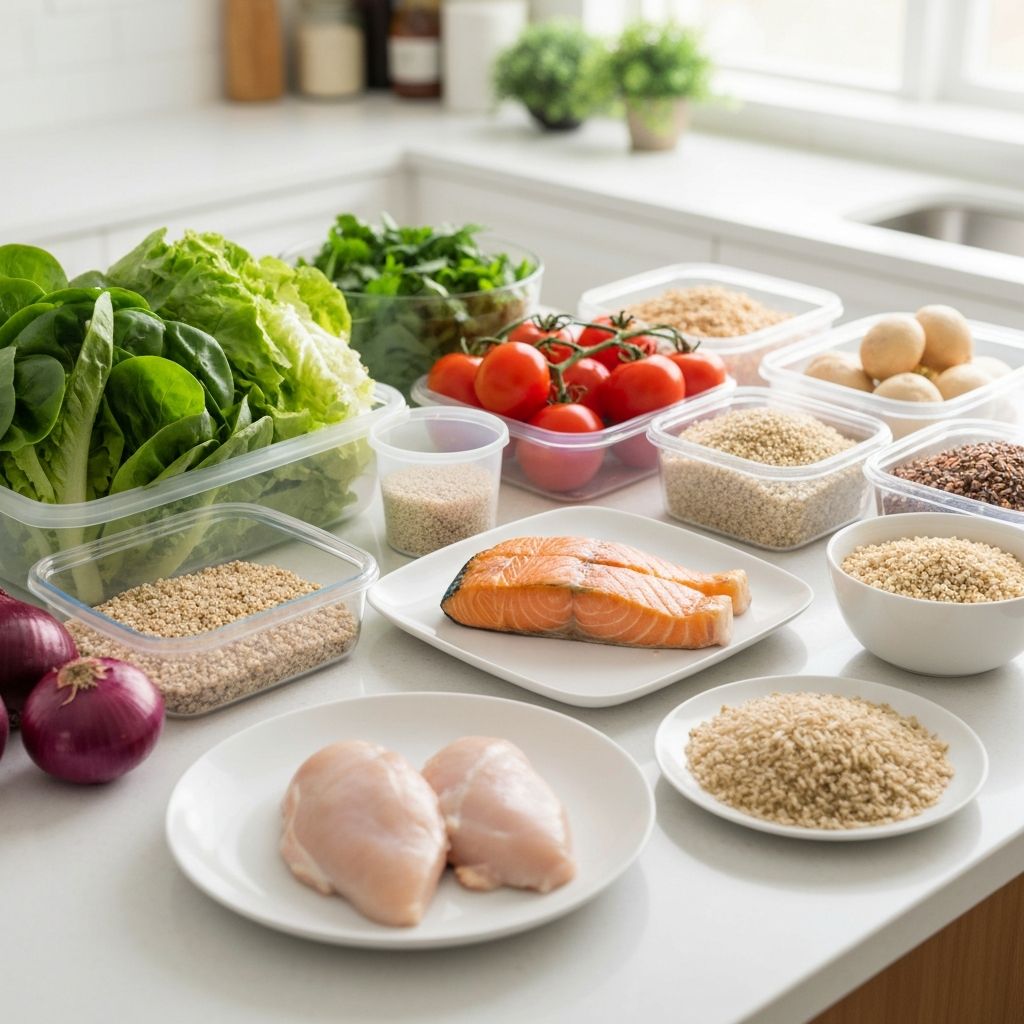
Balanced cooking is a term often used to describe the combination of various food groups in meal preparation. This concept encompasses the inclusion of vegetables, proteins, grains, and other ingredients in proportions that people commonly use.
These principles are based on general observations of cooking practices and represent educational information about how meals are typically structured. Different cultures and individuals approach this concept in diverse ways.
The information provided here serves to explain these concepts rather than to prescribe specific methods or outcomes.
Ingredient selection involves choosing various food items for meal preparation. This process can include considering factors such as freshness, variety, and availability. People often select ingredients based on their preferences and what is accessible to them.
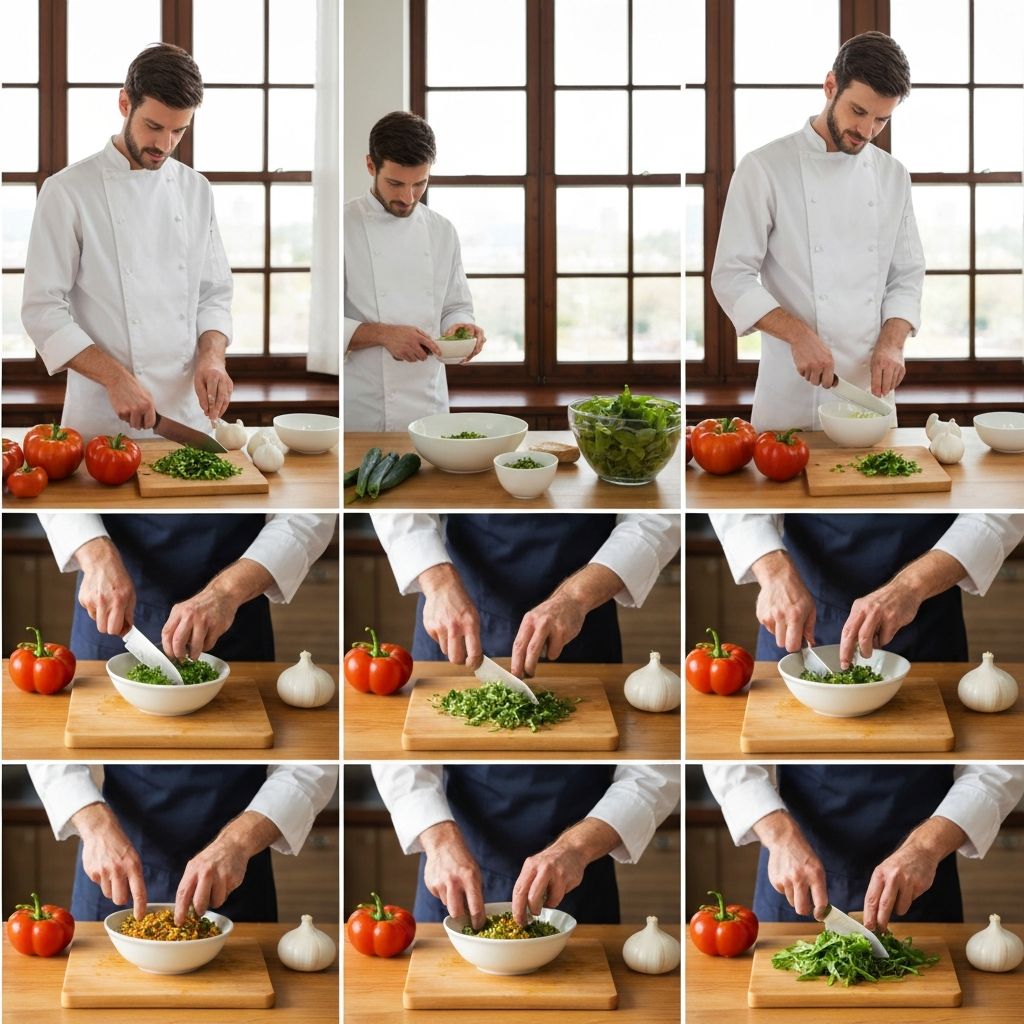
Preparation methods refer to the different ways ingredients can be processed before cooking. These may include washing, cutting, marinating, and organizing components. Various techniques exist, and individuals choose based on their circumstances.
Timing coordination describes the organization of cooking processes to manage different preparation stages. This concept involves understanding how long various components take to prepare and arranging these activities accordingly.
Storage practices encompass the ways prepared ingredients and meals are kept before consumption. Different approaches to storage exist, and people use various methods based on their specific situations and preferences.
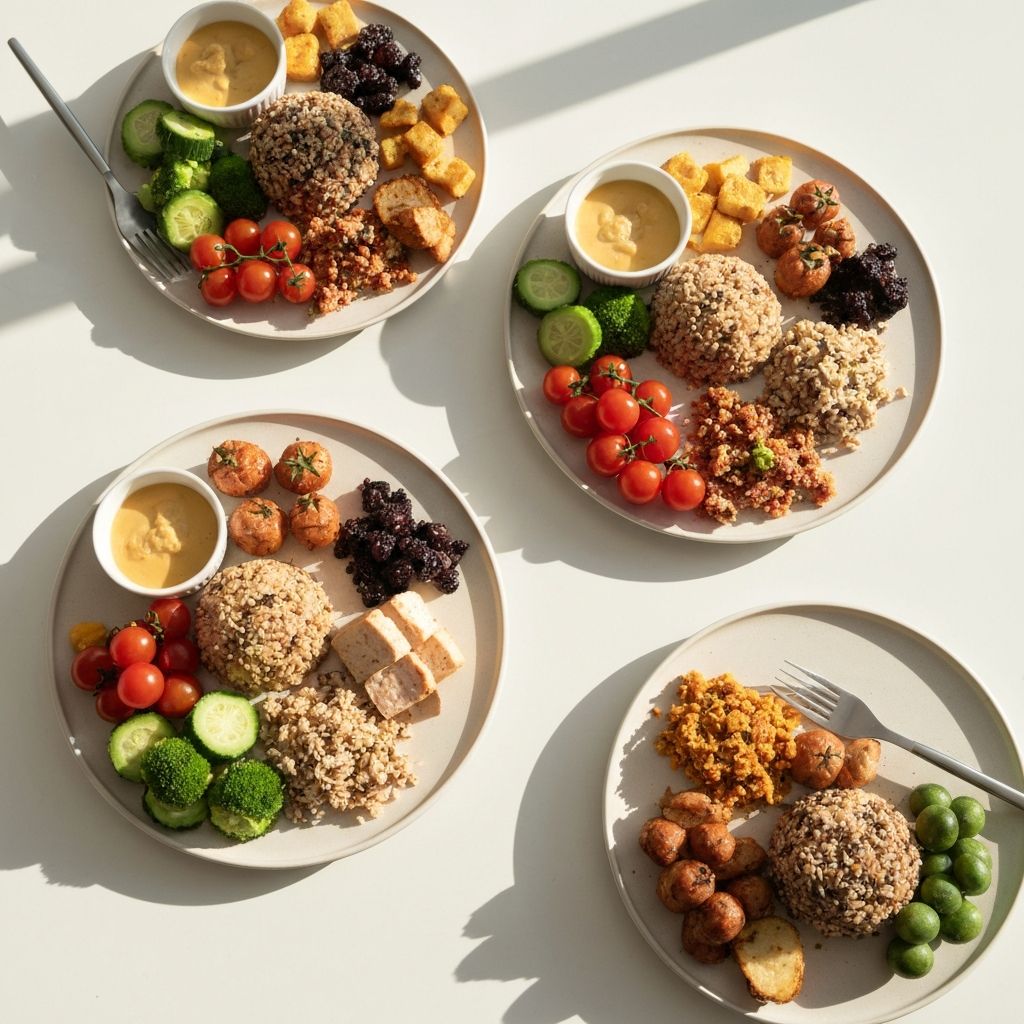
Balanced daily meals typically include a variety of food groups distributed throughout the day. Common patterns include combining vegetables, proteins, and grains in different configurations.
Morning meals often feature items such as whole grains, fruits, and protein sources. Midday meals frequently incorporate vegetables, proteins, and carbohydrates in various combinations. Evening meals may include similar components arranged differently.
These examples represent general observations of meal patterns and serve educational purposes. Individual choices vary significantly based on personal preferences, cultural backgrounds, and circumstances.
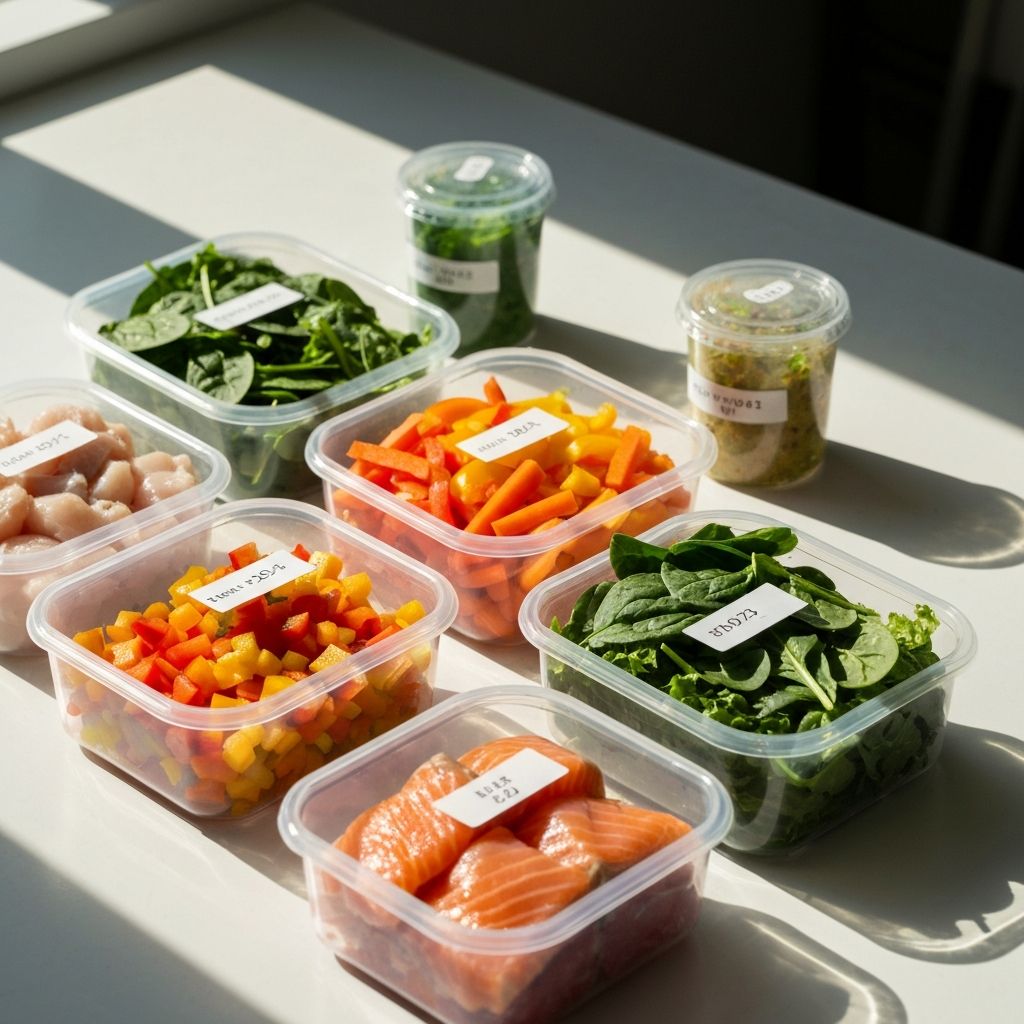
Explore various approaches to organizing meal preparation activities and understanding common practices in everyday cooking.
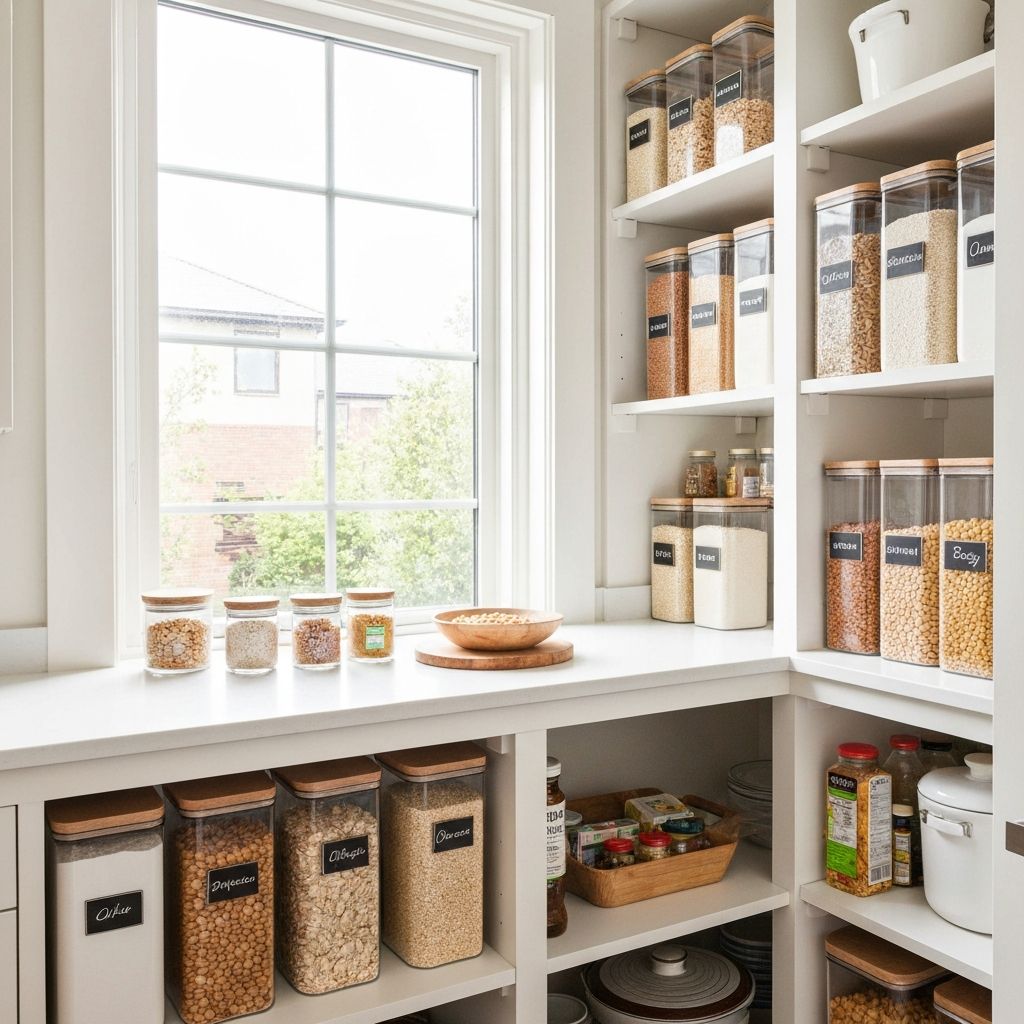
Learn about different methods of arranging and storing ingredients to facilitate cooking processes.
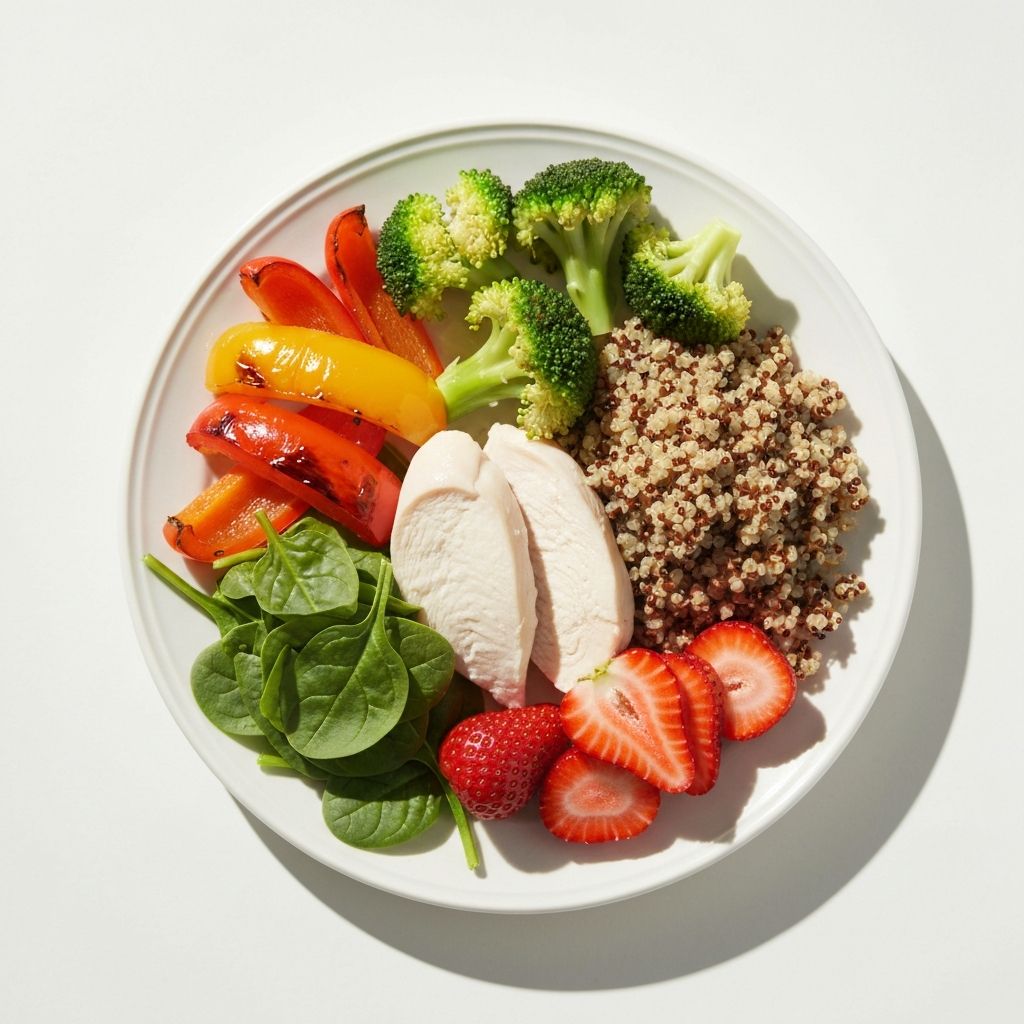
Understand the concepts behind combining different food groups in daily meal preparation.
This website provides educational information about meal preparation concepts and practices. It serves as an informational resource to explain various approaches to organizing and preparing meals.
No, this site does not provide personal meal plans or individual recommendations. All content is educational and informational in nature, describing general concepts rather than prescribing specific actions.
No, this content is not medical or nutritional advice. It is purely educational material explaining general concepts about meal preparation. Personal decisions should be based on individual circumstances and appropriate consultation.
This educational content is created to provide general information about meal preparation concepts. It is not affiliated with any specific program, service, or commercial entity.
The information on this website is provided for educational purposes only. It describes general concepts about meal preparation and does not constitute personal advice, recommendations, or guidance tailored to individual circumstances.
Approaches to meal preparation vary widely among individuals, cultures, and situations. The content presented here represents educational observations and should not be interpreted as prescriptive instructions.
This resource does not replace personal decision-making or professional consultation where applicable. Individuals should make choices based on their own circumstances, preferences, and appropriate guidance.
Educational content only. No medical services. No promises of outcomes.
Learn more